
Wedding Seating Chart vs. Escort Cards: A Wedding Planner’s Guide
One of the questions we hear most often from couples is whether they should use a seating chart, escort cards, or place cards for their wedding reception. While these terms are often used interchangeably, they each serve a different purpose, and understanding the difference can make planning your reception much easier.
The truth is, there isn’t one “right” option for every wedding. The best choice depends on your dinner service, your guest experience, your priorities, and how much structure you’d like during your reception.
At Blush, we walk our couples through these decisions during the planning process so they can choose the option that best fits their wedding day, not just what’s trending.
 Understanding the Difference Between Wedding Seating Charts, Escort Cards & Place Cards
Although all three help guests find where they’re sitting, they each function a little differently.
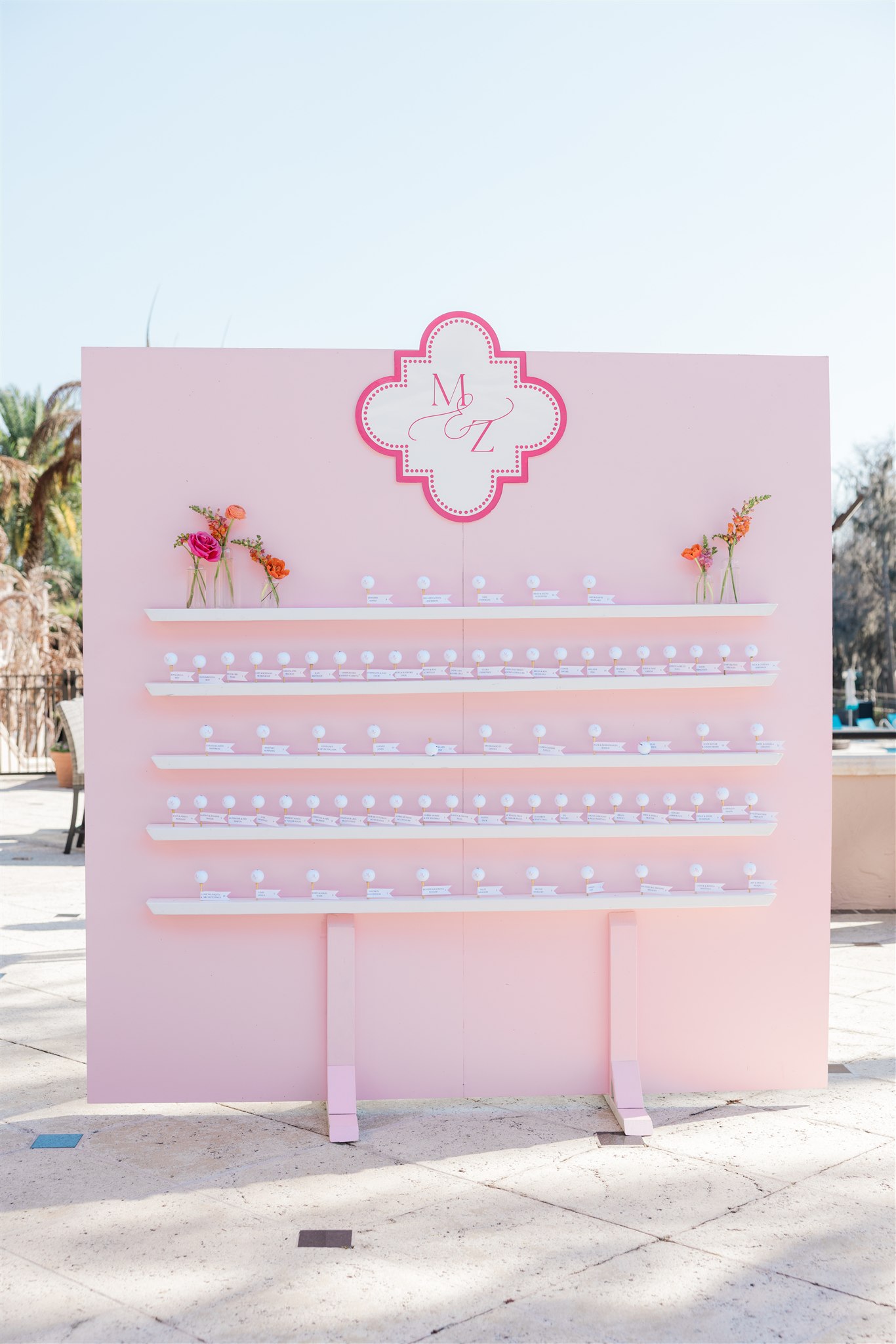
A wedding seating chart tells guests which table they’ve been assigned to. Guests simply find their name, head to their table, and find their seat.
An escort card also tells guests which table they’re assigned to, but instead of finding their name on a large seating display, each guest picks up an individual card. Escort cards are often used for plated dinners because they can also include a meal identifier for the catering team. Guests then bring that card to their table and place it at the seat they choose.
A place card is waiting at each individual seat. Once guests arrive at their assigned table (using either a seating chart or escort card), the place card tells them exactly where to sit. For plated dinners, place cards often include the guest’s meal selection as well, allowing the catering team to serve dinner efficiently without interrupting guests during service.
While they’re often confused with one another, each one serves a different purpose depending on your reception.
How to Choose the Right Seating Option for Your Wedding
One of the biggest factors in this decision is how you’re serving dinner.
For plated dinners, we almost always recommend a seating chart paired with place cards. While it does require more planning 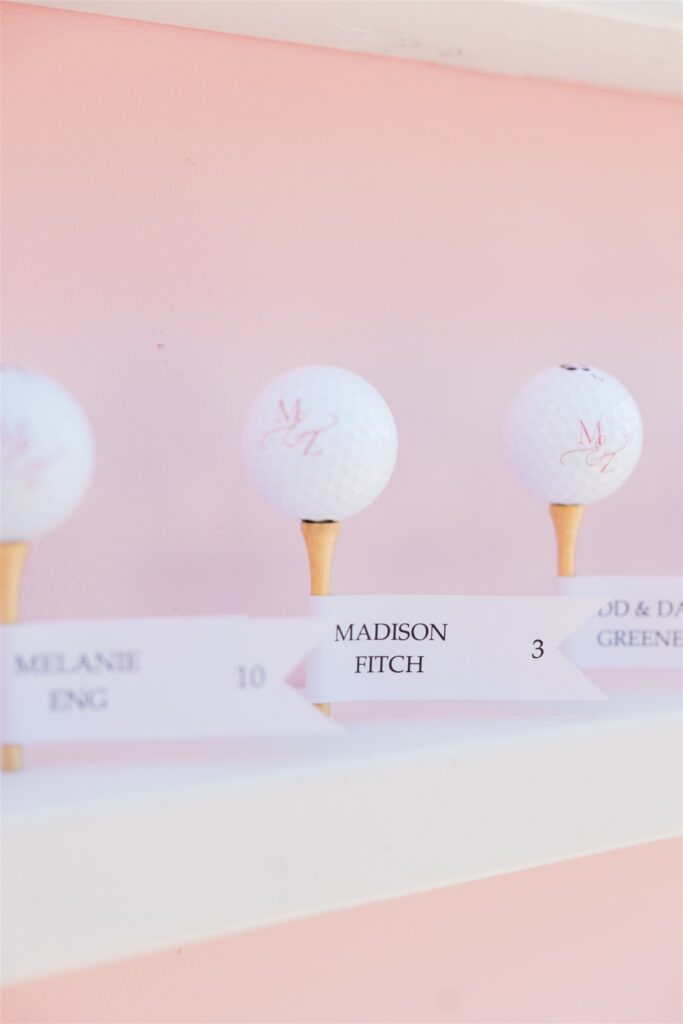 beforehand because you’re assigning both tables and individual seats, it creates a much smoother experience once guests enter the reception.
Guests never have to wonder where they’re sitting, couples don’t accidentally separate themselves by leaving empty chairs between one another, and your catering team already knows exactly where every meal belongs.
Escort cards can also work well for plated dinners, especially if you prefer guests to pick up an individual card as they enter the reception rather than referencing a large seating display. Since escort cards can include meal indicators, your catering team still has the information they need to serve each guest efficiently.
For buffet dinners, a seating chart is often all you need. Since meal selections aren’t part of dinner service, guests can find their assigned table and choose whichever seat they’d like.
Ultimately, the right option depends on your priorities. If creating the smoothest possible guest experience is most important to you, assigning individual seats is well worth the extra planning.
Why We Typically Recommend Seating Charts With Place Cards for Plated Dinners
One of the biggest advantages of place cards is how seamlessly they support both your guests and your vendor team.
From a guest’s perspective, there’s no uncertainty about where to sit. Everyone knows exactly where they belong, making dinner feel organized from the moment they walk into the reception.
From a catering perspective, place cards make service significantly easier. Before guests ever enter the room, your planner and catering team have already reviewed the seating assignments, meal selections, and any allergy accommodations. As meals are served, each guest’s entrée is clearly identified at their seat, allowing dinner to move efficiently without stopping to ask questions.
Although assigning individual seats takes a little more work upfront, it’s often the option that creates the smoothest experience once the reception begins.
When Escort Cards Make the Most Sense
Escort cards can absolutely be the right choice depending on your priorities.
If you’d rather assign guests to tables but allow them to choose their own seats, escort cards offer that flexibility. They’re also a great option for couples who don’t want to spend time assigning every individual seat.
That said, there are a few things to consider.
While our team always reminds guests to pick up their escort card before entering the reception, it ultimately relies on each guest remembering to keep it with them until they’re seated. Occasionally, cards are left behind, misplaced between cocktail hour and the reception, or forgotten altogether.
When that happens, our team can often help locate the missing card, but it still creates unnecessary delays for both guests and the catering team as everyone works to confirm meal selections before service continues.
We also encourage couples to think about the visual aspect of escort cards. They often look beautiful at the beginning of cocktail hour, but once guests begin picking them up, or if there’s even a slight breeze outdoors, the display naturally becomes less orderly throughout the evening.
Turning Your Seating Display Into a Design Moment
Your wedding seating display can be much more than a way to direct guests to their tables, it can become part of your overall wedding design.
We’ve seen couples incorporate escort cards into floral installations, attach them to meaningful favors, or create seating displays that double as an interactive guest experience.
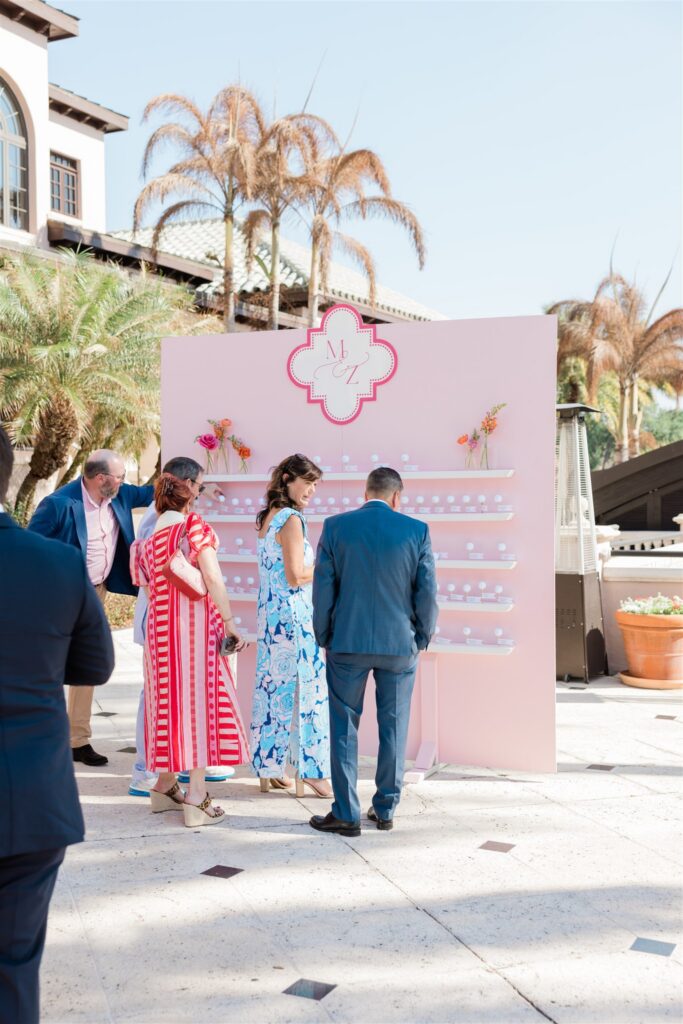
Seating charts also offer endless design opportunities, from custom built installations to statement signage that complements the rest of your reception décor.
No matter which option you choose, we always encourage couples to think about how the seating display fits into the overall aesthetic of their wedding while still prioritizing functionality for their guests and vendor team.
Making the Seating Assignment Process Feel Less Overwhelming
Creating a wedding seating chart can feel intimidating, but breaking it into smaller steps makes the process much more manageable.
We always recommend starting by grouping guests who naturally know one another. Family members, close friends, coworkers, or relatives who will genuinely enjoy spending dinner together.
From there, divide those groups into tables based on your floor plan and guest count. Once the tables are finalized, assigning individual seats becomes much easier if you’re using place cards.
As planners, we also help our couples organize everything visually by labeling tables on the floor plan and creating a clear seating layout that keeps everyone organized throughout the planning process.
When Should You Finalize Your Seating Assignments?
Your wedding seating assignments should typically be finalized around the same time your final guest count is due to your caterer.
Many catering teams review seating assignments before dinner service so they can prepare meal selections, allergy accommodations, and specialty requests ahead of time.
If you’re ordering custom signage or stationery, you’ll also want to account for production and shipping timelines before your wedding day.
Throughout the planning process, we help our couples stay ahead of these deadlines so everything is finalized with plenty of time to spare.
Our Final Thoughts
Whether you choose a wedding seating chart, escort cards, place cards, or a combination, the goal is always the same: creating a reception that feels organized, welcoming, and effortless for your guests.
Every wedding is different, which is why we don’t believe there’s a one size fits all solution. During the planning process, we’ll walk through your dinner service, guest count, design priorities, and overall vision to recommend the option that makes the most sense for your celebration.
The best seating plan isn’t simply the most popular one. It’s the one that creates the best experience for you, your guests, and the team bringing your wedding day to life.
The most memorable weddings are built on thoughtful planning. If you’re ready to create a celebration that feels elevated, intentional, and truly reflective of your story, we’d be honored to guide you through the process, you can inquire with our team here.